



Welcome to our guide on making the perfect Tonkatsu recipe. This Japanese dish turns regular pork into a feast for the senses. It has a crispy outside and a juicy inside. Our recipe will make you feel like you’re in Tokyo, right from your Irish kitchen.
Tonkatsu is more than just food; it’s a celebration of taste and skill. It comes from Japanese cuisine and is loved worldwide. People enjoy its crunchy panko coating and soft meat.
Pork Tonkatsu is a special dish in Japanese food, mixing Western styles with Japanese cooking. It turns a simple pork cutlet into a dish loved by many. This Japanese Breaded Cutlet has won the hearts of food lovers everywhere.
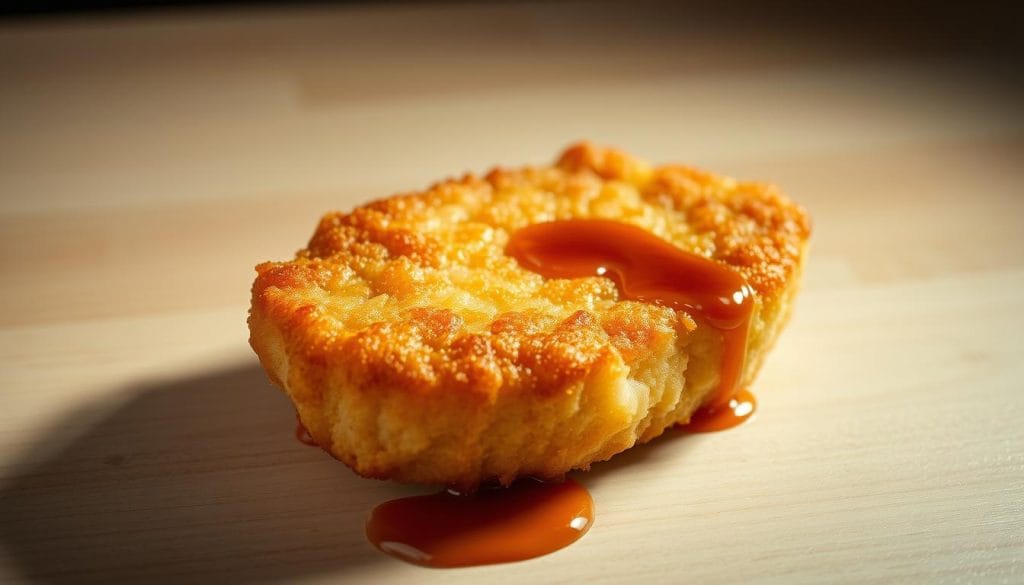
The start of Japanese Pork Schnitzel is in the Meiji era. This was when Western cooking started to influence Japan. It came from the German and Austrian schnitzel, becoming a key dish in Japan.
Making a top-notch Pork Tonkatsu needs the best ingredients. The secret is in choosing the right parts:
Every area in Japan has its own take on the Japanese Breaded Cutlet. From Nagoya’s miso-glazed version to Tokyo’s classic, tonkatsu shows off local tastes and traditions.
Tonkatsu is more than just a meal – it’s a culinary journey through Japan’s innovative food culture.
Enjoyed in Tokyo’s busy restaurants or made at home, Pork Tonkatsu is a hit. It’s loved for its crispy outside and soft, juicy inside.
Making the perfect Crispy Panko Pork needs skill and knowledge of cooking techniques. We’ll show you how to turn a simple pork cutlet into a tasty Deep-fried Pork Fillet. It’s sure to wow your dinner guests.
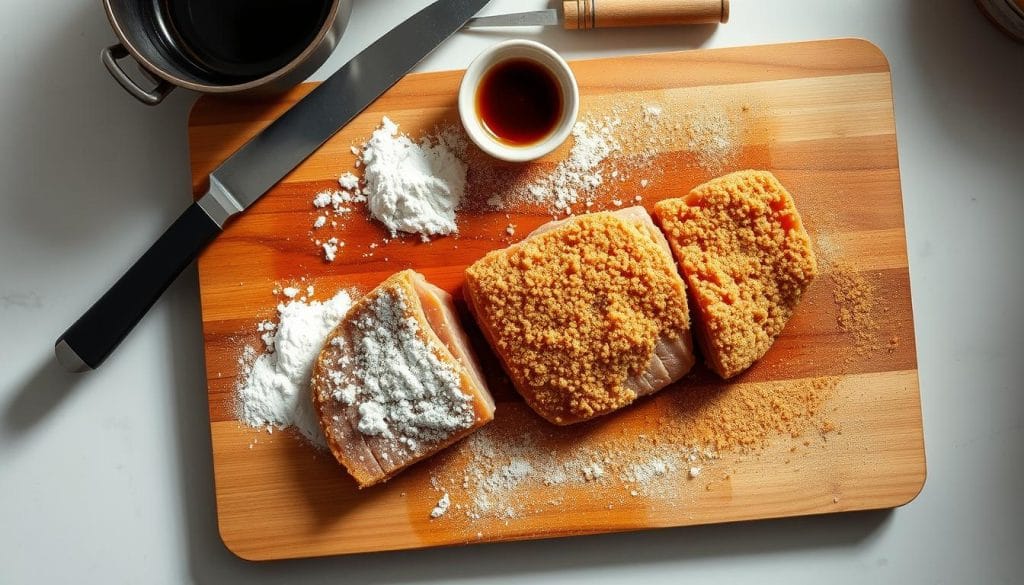
Choosing the right pork cut is key for a delicious Panko-crusted Pork dish. Pork sirloin cutlets are best, with their mix of fat and lean meat. Look for cutlets that are 4-5 ounces and have visible marbling when shopping.
Proper preparation keeps your Crispy Panko Pork tender and full of flavour. Gently pound the cutlets to a quarter-inch thickness with a meat mallet. This ensures even cooking and prevents dry spots.
Season the meat with salt and pepper for a tasty base before breading. Don’t pound too hard, as it can tear the meat and make it uneven.
Panko breadcrumbs are key for a crispy exterior on your Deep-fried Pork Fillet. These Japanese breadcrumbs have a unique texture that makes the outside extra crunchy.
While fresh panko is ideal, high-quality dried panko is great for home cooks. It’s convenient and doesn’t lose out on taste.
Making the perfect tonkatsu sauce turns a simple meal into a special treat. Our recipe brings the real flavours of Japanese katsu sauce to your table.
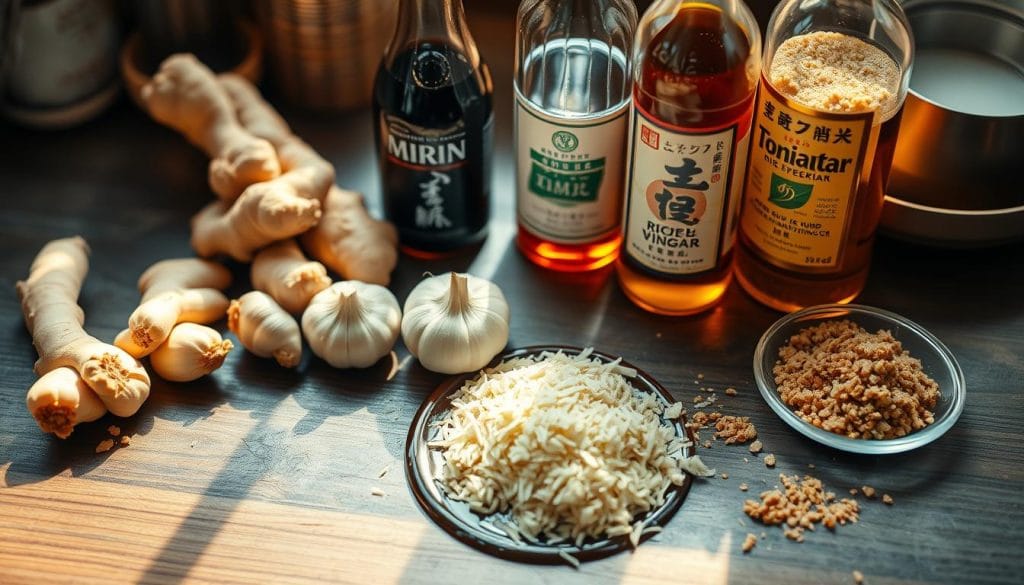
To make a true tonkatsu sauce, you need the right mix of ingredients. Here are the key ones:
Making homemade katsu sauce is easy. Follow our steps to make a sauce as good as store-bought:
Our tonkatsu sauce recipe lets you tweak it to your liking. Want it sweeter? Add more brown sugar. For a tangier taste, try rice vinegar. For a bit of spice, add cayenne pepper.
The magic of homemade sauce lies in its ability to be personalised to your palate.
Pro tip: You can keep homemade tonkatsu sauce in the fridge for up to a week. This way, you can make it ahead of time and enjoy it whenever you want a tasty katsu meal.
Mastering pork tonkatsu needs careful deep-frying. We start by turning simple ingredients into a golden-brown delight.
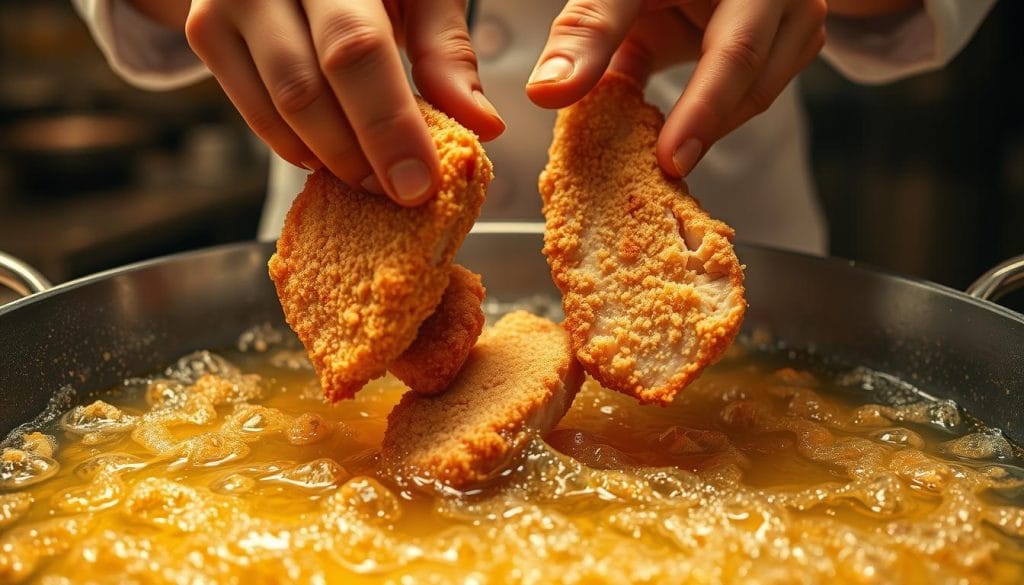
Choosing the right oil is key for a crispy coating. We suggest using oils with no strong flavours and high smoke points. These include:
Perfect tonkatsu needs careful temperature control. We aim for a frying temperature of 300-325°F (150-160°C). An instant-read thermometer helps keep it accurate.
| Temperature Range | Cooking Result |
|---|---|
| Below 300°F | Soggy, oil-logged breading |
| 300-325°F | Perfect crispy golden-brown breadcrumbs |
| Above 350°F | Burnt exterior, undercooked meat |
Here are our top tips to avoid tonkatsu mishaps:
By sticking to these tips, you’ll enjoy a tonkatsu that’s a true taste of Japan.
Mastering the traditional Japanese serving of tonkatsu is more than just cooking the cutlet. Our guide will show you how to create an authentic presentation. This will turn your home-cooked meal into a delightful experience.
The right accompaniments can make your tonkatsu dish stand out. We suggest a classic mix that balances flavours and textures:
Creating an authentic presentation is all about arrangement and technique. Slice the tonkatsu into neat strips with a sharp knife. Make sure the crispy breading stays intact.
Fan the strips elegantly across the plate. Place the shredded cabbage alongside.
| Presentation Element | Recommended Technique |
|---|---|
| Cutting | Slice into 2-3 cm wide strips |
| Plating | Fan strips diagonally |
| Sauce | Drizzle or serve in small dipping dish |
The key to a perfect tonkatsu meal is its accompaniments. Use short-grain Japanese rice for authenticity. Prepare it to have a slightly sticky texture.
Shred the cabbage finely. Consider a light sesame dressing to add freshness.
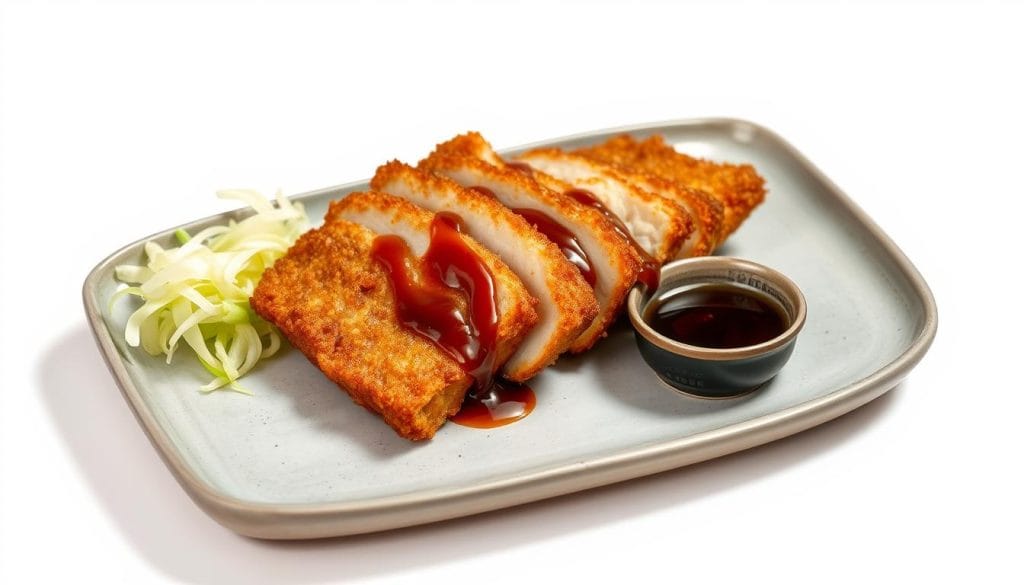
Our approach brings the essence of traditional Japanese dining to your Irish kitchen. It turns a simple meal into a memorable journey.
Exploring tonkatsu reveals a world of tasty variations. These dishes show the versatility and creativity of this Japanese favourite. They offer exciting choices for both food lovers and home cooks.
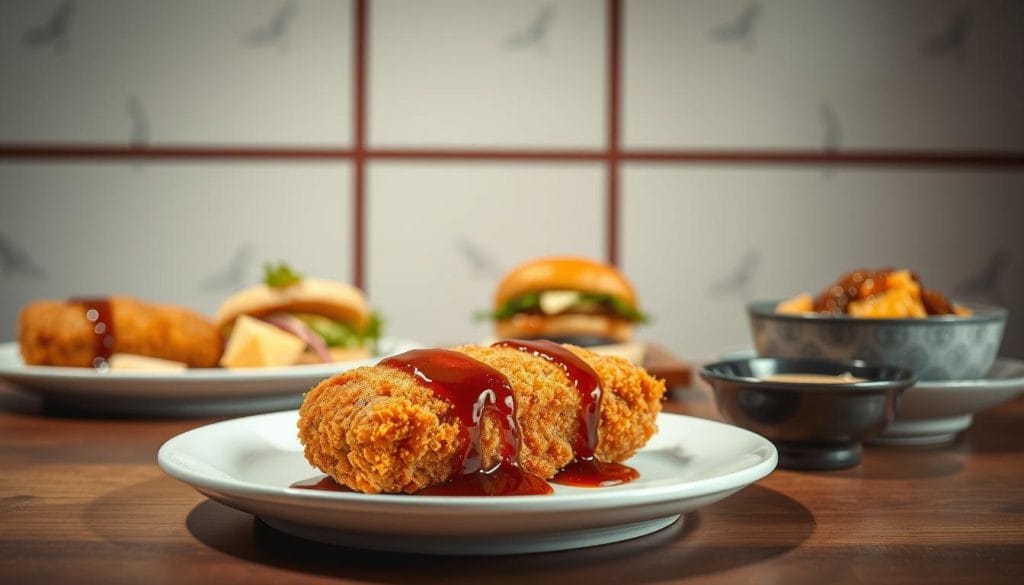
The katsu sando is a clever twist on the classic tonkatsu. It’s a crispy cutlet in soft white bread. It’s topped with tonkatsu sauce for a great mix of textures and tastes.
Katsu curry is a comfort food in Japan. It’s a crispy tonkatsu on rice, covered in mild Japanese curry. This dish is known for its unique taste, blending sweet and spicy.
For those who love plants, tonkatsu has tasty alternatives. Chicken katsu is a lighter choice. Vegetarian options include:
Our vegetarian tonkatsu keeps the crispy outside. It offers new plant-based options. Each one brings its own texture and flavour, making tonkatsu accessible to all.
Making tonkatsu can be fun for all, even with dietary limits. We know many people have special dietary needs. So, we’ve looked into different ways to make this Japanese dish work for everyone.
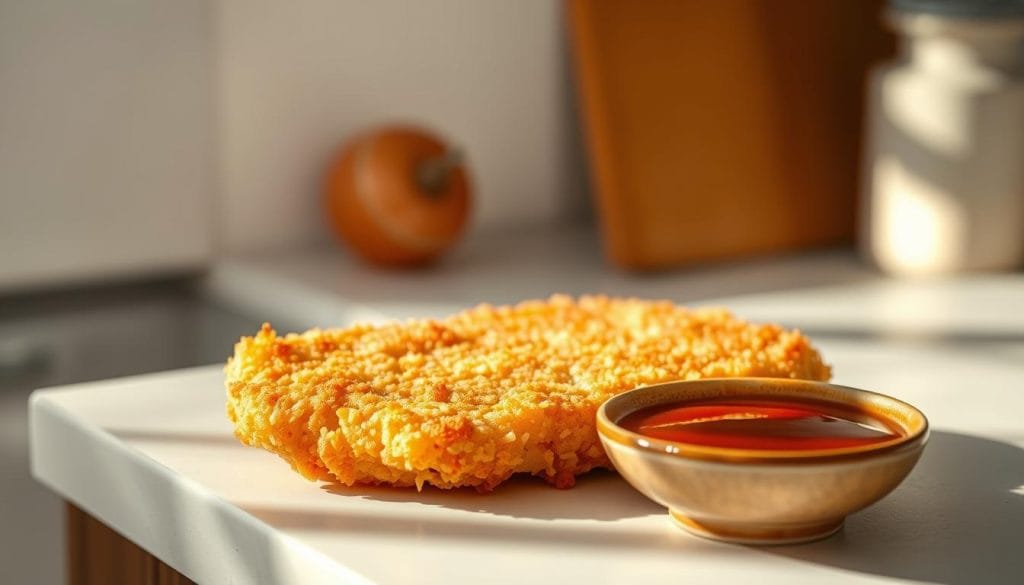
To make gluten-free tonkatsu, we pick our ingredients carefully. Traditional recipes often have gluten in many parts. But, we’ve found easy swaps to keep the taste true:
For a healthier version, we suggest new cooking ways that use less oil:
We’ve made tonkatsu fit many dietary needs. Our flexible method keeps the dish tasty while meeting special dietary requirements:
With these smart changes, gluten-free tonkatsu is a meal everyone can enjoy. It shows that food can be great for all, no matter the dietary limits.
The world of Asian food in Ireland is changing fast. Japanese restaurants are popping up everywhere. They bring a new taste to Irish food lovers.
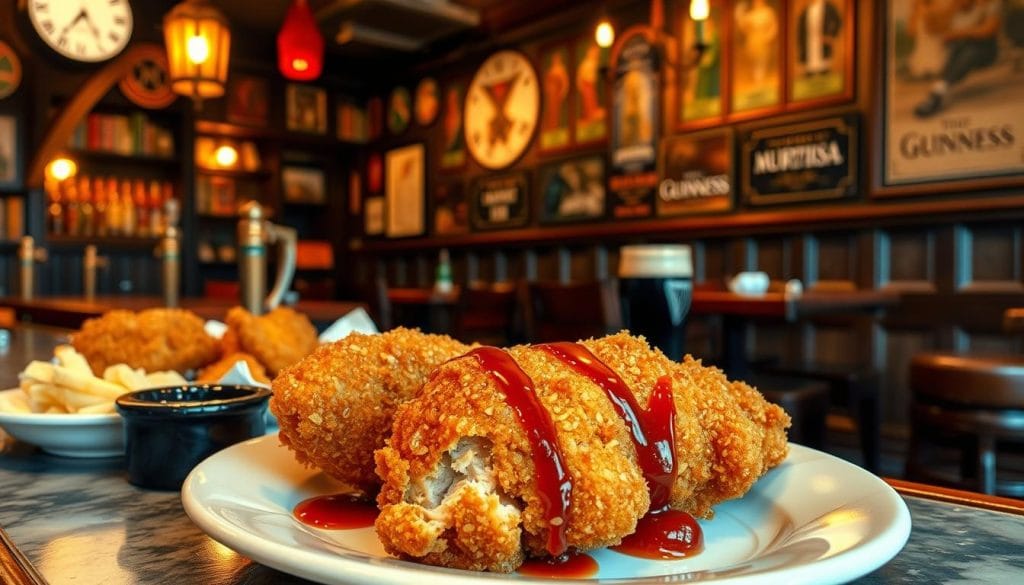
Japanese food is big in Ireland now. We found great places for tonkatsu:
Restaurants offer a special touch, but cooking at home is rewarding too. Chefs make the crust perfect, but home cooks can too with effort. With the right techniques and a willingness to experiment, home cooks can achieve restaurant-quality dishes. Utilizing home redirect best practices, such as optimizing cooking times and practicing flavor pairings, can elevate the home dining experience. Ultimately, the satisfaction of creating a meal from scratch can surpass even the finest dining establishments.
People in Ireland are trying new foods, like tonkatsu. It’s not just a meal; it’s a cultural experience. It mixes comfort food with international tastes, fitting Ireland’s changing food scene.
Tonkatsu bridges traditional Japanese cooking with Irish food appreciation, creating a delightful cross-cultural dining experience.
Tonkatsu shows how Irish food is getting more complex and interesting.
Exploring Japanese cooking is more than just a recipe. Our culinary community offers many ways to learn and grow. You can go from a beginner to a master of tonkatsu.
Meeting other food lovers can really help your cooking journey. We suggest checking out digital platforms, books, and hands-on classes.
Digital communities are great for those who love Japanese food. Here are some top places to look:
These places let you share your cooking, ask questions, and find ingredients for your Irish kitchen.
If you like learning from books, there are some great ones out there. Here are a few:
Each book gives you a deep look into Japanese cooking and culture.
Learning by doing is a great way to get better at tonkatsu. In Ireland, look for:
These classes offer direct teaching and feedback from chefs. They help you improve your Japanese cooking.
Our journey into homemade tonkatsu has opened a world of Japanese home cooking. It’s more than a recipe; it’s a dive into technique, flavour, and culture. We’ve learned how to make top-notch Japanese comfort food in our Irish kitchens.
Learning to make tonkatsu is all about paying attention to detail. It’s easy to get right, from choosing the best pork cutlets to making the perfect panko crust. Each step brings us closer to a real Japanese dining experience.
We encourage you to try our methods and make them your own. Whether you stick to the classic tonkatsu or try new twists, remember that cooking is always evolving. Your kitchen is a place where Japanese traditions meet Irish flair.
Don’t be shy to share your tonkatsu stories with us. We love seeing your dishes, hearing about your challenges, and celebrating your wins. Every crispy, golden cutlet is a tale of skill, passion, and tasty discovery.
Tonkatsu is a Japanese dish with a breaded, deep-fried pork cutlet. It’s made from sirloin or loin, coated in crispy panko breadcrumbs. It’s served with a sweet-tangy sauce. This dish is part of yoshoku cuisine, mixing Western and Japanese cooking.
Tonkatsu stands out because it uses Japanese panko breadcrumbs. This makes the coating lighter and crisper. It’s known for its special tonkatsu sauce and how it’s fried. It’s also served with shredded cabbage and Japanese rice.
Yes! You can make it with chicken (chicken katsu), beef, or even tofu or aubergine. The breading and frying method is the same for all.
Use pork sirloin cutlets with good fat marbling. They should weigh 4-5 ounces. The cut should be boneless and have visible fat for juiciness and flavour.
Keep the oil at 300-325°F. Use a three-step breading process and ensure even coating. Fresh panko breadcrumbs and careful oil temperature are key for crispiness.
No! Homemade tonkatsu sauce is easy. It’s made with ketchup, Worcestershire sauce, soy sauce, mirin, brown sugar, and spices. You can adjust the flavour to your liking.
Yes, use gluten-free flour for dredging and gluten-free panko or crushed rice crackers for coating. Make sure your tonkatsu sauce is gluten-free, using tamari instead of regular soy sauce.
Serve it with shredded green cabbage, steamed white rice, miso soup, and Japanese pickles. A lemon wedge for squeezing over the cutlet is also a classic touch.
Eat it fresh for the best taste. If you must store it, refrigerate for 1-2 days. Reheat in an oven to keep it crispy, avoiding the microwave.
Yes! Try katsu sando (tonkatsu sandwich), katsu curry, or Nagoya’s miso katsu. You can also experiment with different proteins and styles to keep it interesting.
 CART
0
CART
0
Leave a Reply