



Did you know we import over 80% of our processed food? Many think we can feed ourselves forever, but this is a dangerous myth. The Middle East tensions show how weak our food supply chains are.
We believe our green fields mean we’re independent from the world. But, modern farming needs global trade. When these routes get blocked, our food stocks are at risk.
This article looks into why we can’t be totally self-sufficient. We’ll see how world troubles affect our meals. It’s time to face the truth of our food’s journey.
We live in a world where the global economy is like a web that can easily break. Recent events show that our systems are more fragile than we thought. When conflict hits key areas, the fragility of global supply chains worries every country.
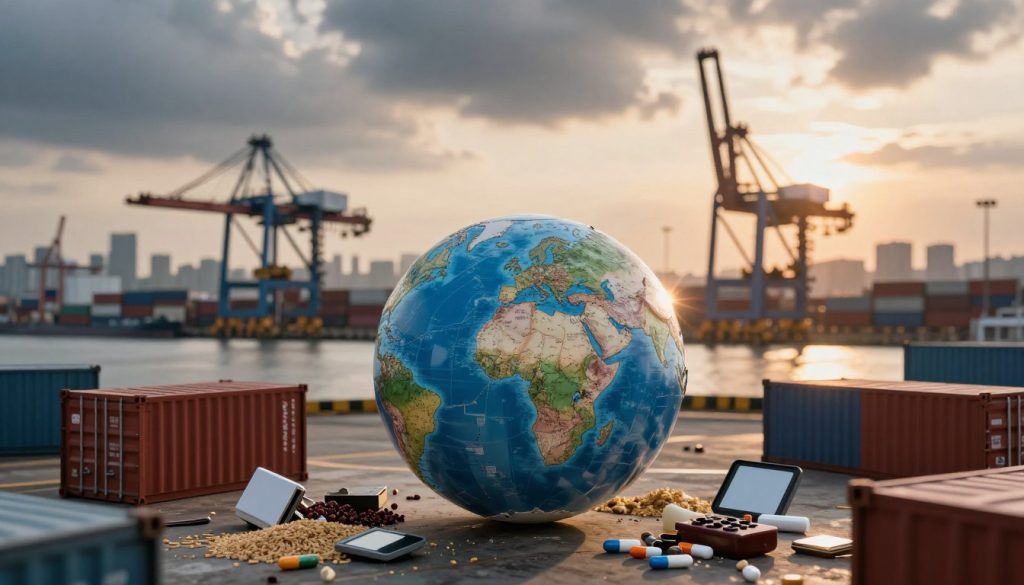
The Middle East is key for moving essential goods. The Strait of Hormuz is a critical point for energy and food supplies to the world.
It’s known that 25% of the world’s oil, 20% of its liquid natural gas, and about 20% of the world’s fertiliser go through this narrow passage. Any problem here can cause big waves in global markets.
“Supply chain resilience is no longer a luxury for the few; it is a fundamental requirement for national survival in an increasingly volatile geopolitical landscape.”
For Ireland, these issues are close to home. We need imports to keep our standard of living and farming going. Our use of long-distance shipping shows why we must protect ourselves from global risks.
The table below shows how much we rely on global trade for important goods:
| Commodity | Global Dependency | Risk Level |
|---|---|---|
| Fertiliser | High (20% via Hormuz) | Critical |
| Energy (LNG) | Moderate-High | Significant |
| Grain Imports | Moderate | Moderate |
We must see that our current setup makes us vulnerable to outside problems. By focusing on reducing geopolitical risks, we can strengthen our national security. Fixing these weaknesses is key to meeting our needs even when the world is unstable.
The story of Ireland’s food self-sufficiency is comforting but false. We think we feed the world, but our food is tied to global markets. This gap between what we think and what’s real is dangerous.
For years, we’ve seen Ireland as a green island that can feed itself. Our big exports of dairy and beef support this image. We’re proud of our farming history, thinking our land protects us from food shortages.
But the truth is, we’re part of a global system. Our Irish agricultural import dependency is bigger than people think. We need complex systems to get the goods our farms need all year.
Our livestock sector needs imports to keep producing. Without these, our farms would struggle. Our farms aren’t as self-sufficient as they seem.
Modern farming uses lots of fossil fuels and fertilisers for high yields. The fertiliser supply chain is at risk from global conflicts and energy price hikes. If we can’t get these, our food production will suffer.
Our food security depends on global peace. Ignoring our links to the world could leave us unready for problems. It’s time to face the truth about our farming model.
The Strait of Hormuz is a key route for global trade. It’s bordered by Iran, making it a hotspot for trade disruptions. We need these routes to get vital agricultural goods to our shores.
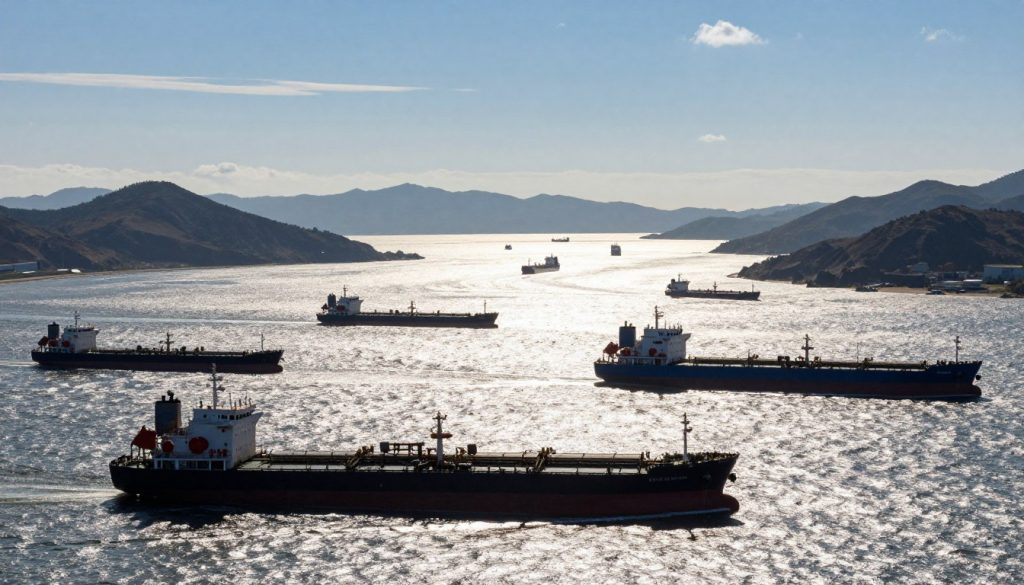
Conflict in the Strait of Hormuz forces a rethink of shipping routes. Ships now take longer and burn more fuel to avoid danger zones. This leads to higher insurance costs for cargo carriers.
These extra costs are then passed on to Irish importers. They face higher prices for transporting animal feed, fertilisers, and raw materials. This affects the cost of goods at our ports.
Higher logistics costs mean higher food prices for Irish families. As the cost of goods goes up, so do prices in supermarkets. This is tough for both retailers and shoppers.
Regional tensions in the Gulf affect our economy directly. The cost of importing basic goods increases, impacting every shopping trip. This shows how fragile our supply chains are.
Our just-in-time delivery models are facing a big test due to the ongoing instability after the June 2025 gamble in the Middle East failed. This has shown how fragile our systems are. We now face a real risk of a food security crisis. We can’t rely on global markets to feed us without government help.
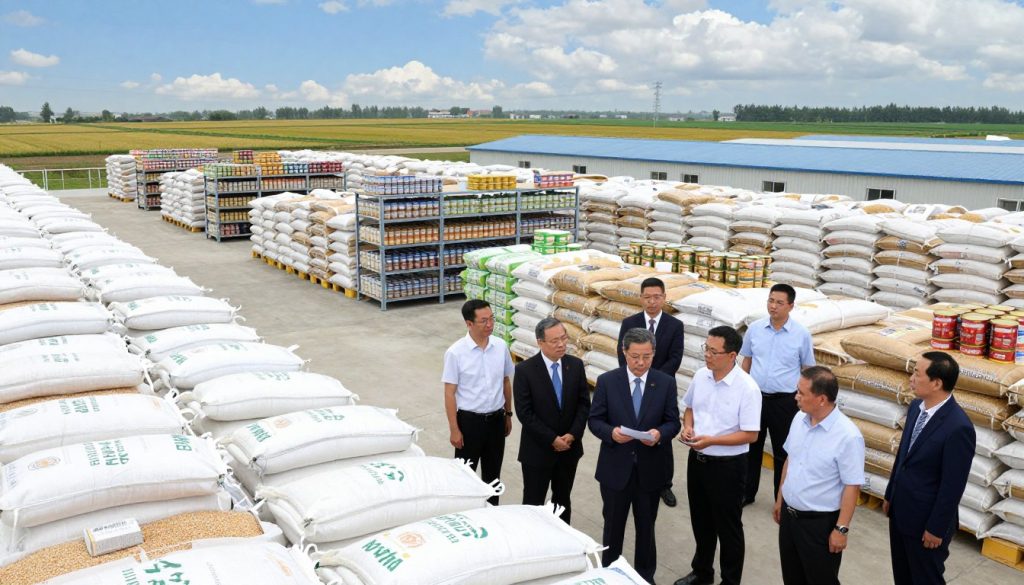
Our national planning is based on private enterprise keeping enough stock. This market-driven approach focuses on short-term gains over long-term stability. When global shipping is disrupted, our lean supply chains can’t provide the needed buffer for our people.
Leaning solely on market forces during international conflict is risky. Our government needs to move to a stronger framework that can handle big shocks. We must see food as a vital national asset, not just a commodity.
The need for national food reserves to prevent supply chain failures is a hot topic. Supporters say a state-managed stockpile is essential to meet basic needs during a crisis. Opponents worry about the high costs of storage and the risk of food going bad.
We think the risks of not acting are greater than the cost of these reserves. A strategic buffer can protect our market from extreme price swings. Below is a comparison of our current model and a proposed strategic approach.
| Feature | Just-in-Time Model | Strategic Reserve Model |
|---|---|---|
| Primary Goal | Cost Efficiency | Supply Continuity |
| Stock Levels | Minimal/Zero | High/Buffer |
| Risk Tolerance | High | Low |
| Crisis Response | Reactive | Proactive |
Moving to a more secure food system is a national priority. We need to look beyond our short-term focus. Creating these reserves is key to protecting our future in an unpredictable world.
The economic pressure on Irish agriculture is at a breaking point. Our producers face a world full of uncertainty. Global market changes hit them hard and fast.
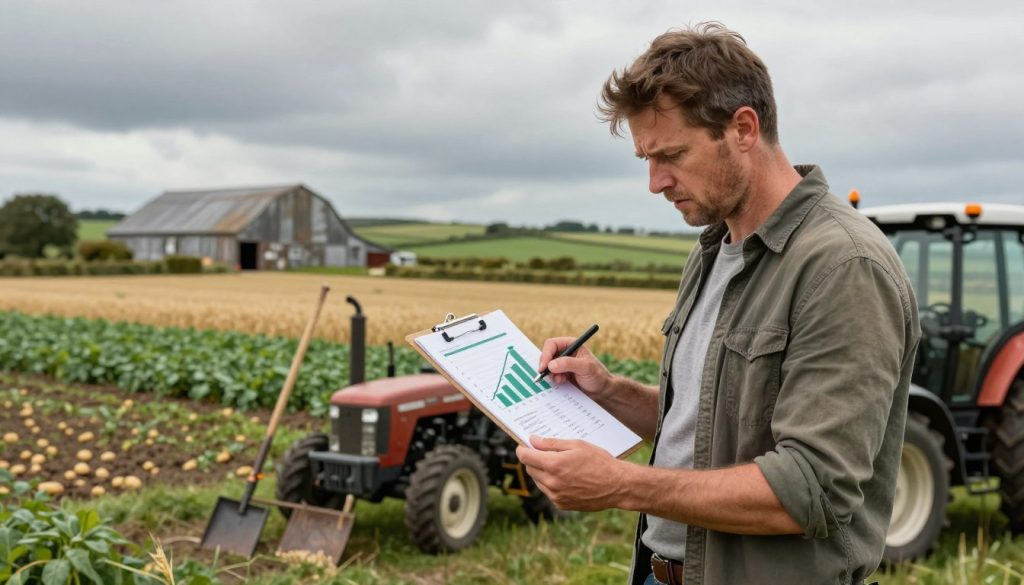
Farmers are under huge pressure due to high input costs. Any issue with energy or fertilisers affects them right away. When these costs rise, so does the cost of food.
This situation is very fragile. Small changes in global trade can cause big losses for farmers. Keeping production steady is hard when input costs keep going up.
Small producers face the biggest challenges. They don’t have the money to deal with big changes. They often work on very thin margins, making them very vulnerable.
We need to help our farmers be more resilient. We should strengthen local supply chains and use less imported fertilisers. Supporting small farms keeps our food system diverse and stable.
International conflict is making the cost of living crisis worse in our local communities. Global trade routes are under pressure, and this is affecting what we see in supermarkets. This is not just a short-term issue but a sign of deeper problems.
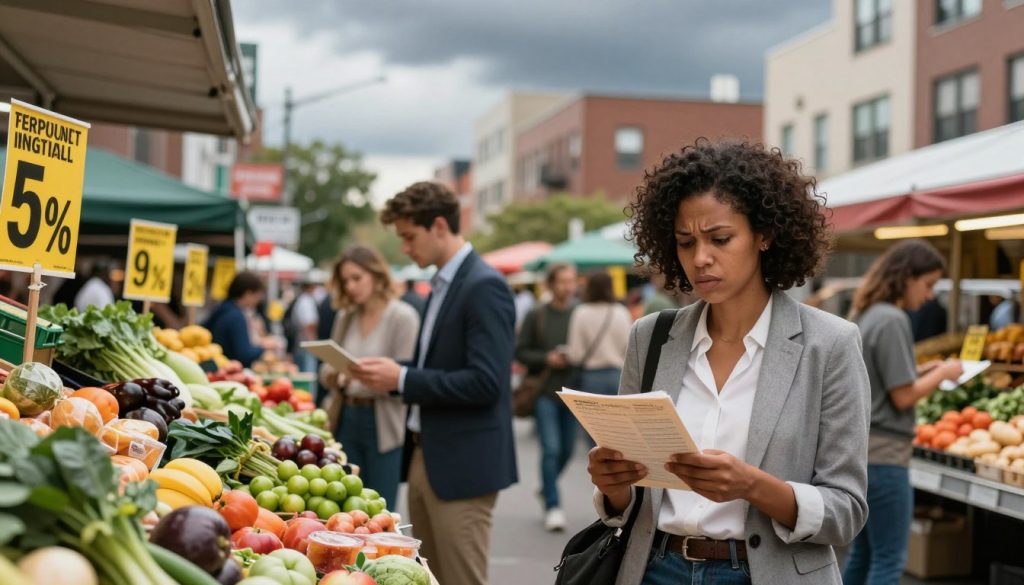
Disruptions to shipping lanes lead to higher freight costs and delays. These costs are then passed on to consumers, making things more expensive. We see this as higher prices for imported goods and sometimes, items missing from shelves.
The table below shows how different food types are affected by these challenges:
| Food Category | Primary Impact | Price Trend |
|---|---|---|
| Fresh Produce | Transport Delays | Moderate Increase |
| Grains and Cereals | Supply Shortages | High Increase |
| Dairy Products | Input Cost Rises | Moderate Increase |
There’s a growing need for people to understand our food system’s weaknesses. Many don’t know how much our food supply depends on international networks. We think an informed public is key to pushing for policy changes that protect our food future.
“True food security requires a transparent understanding of where our resources originate and the risks involved in their journey to our tables.”
By learning more about these issues, we can support local food production better. The cost of living crisis shows that food security is a shared duty. We must focus on being open and planning carefully to shield our homes from future problems.
To achieve true agricultural resilience, we must move beyond old farming ways. We need to focus on sustainable farming in Ireland. This will help strengthen our food security.
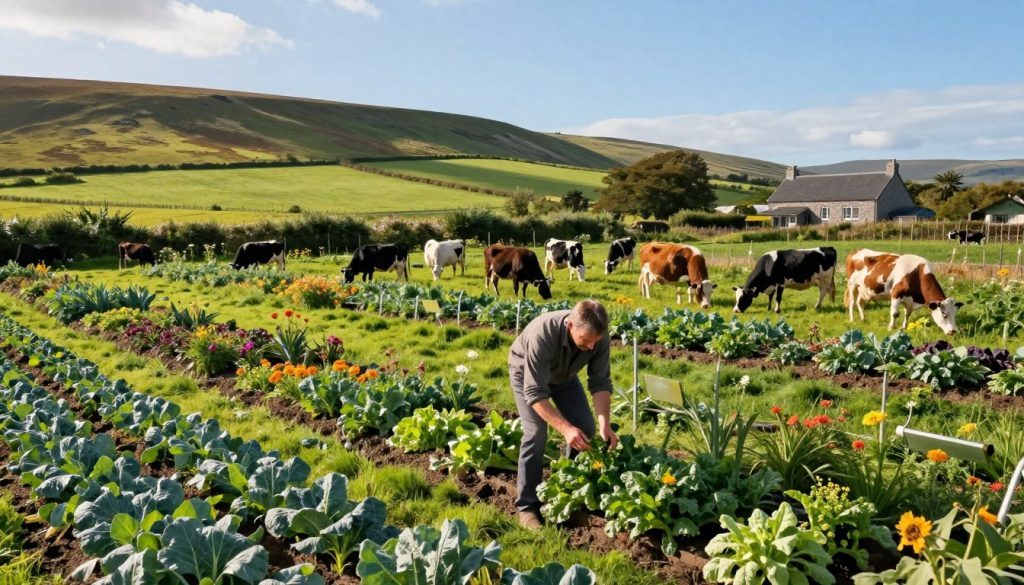
Our current reliance on a few international suppliers makes us vulnerable. We should expand our trade partnerships. This way, a crisis in one area won’t harm our food supply.
Reducing our energy dependency in Ireland is key to diversifying. By getting inputs from more stable partners, we can better handle global instability. This strategy protects us from sudden price increases and shortages.
We should focus on farming systems that use fewer imported synthetic inputs. Investing in local solutions helps us keep high output levels while reducing our environmental impact. This shift is vital for stability in an unpredictable world.
Regenerative agriculture is a promising way to improve soil health and cut down on chemical fertilisers. It makes our land more fertile, reducing the need for expensive imports. This approach benefits farmers and the environment.
Modern technology is essential for improving our domestic production efficiency. Precision farming tools help us monitor crop health and resource use accurately. These tools are key to maximising yields and reducing waste, which is vital for our food security.
| Methodology | Input Reliance | Environmental Impact | Resilience Level |
|---|---|---|---|
| Traditional Farming | High (Synthetic) | High | Low |
| Regenerative Farming | Low (Natural) | Positive | High |
| Precision Agriculture | Optimised | Low | Medium-High |
Combining these strategies will be our key to success. By embracing innovation and sustainable farming in Ireland, we can manage our energy dependency. These steps will keep our food systems secure, no matter the global challenges.
We are at a critical point where European food policy must change to face global challenges. The current crisis shows that just relying on market forces is not enough. We need international cooperation to prevent hardship and avoid the risks of only using prices to ration.
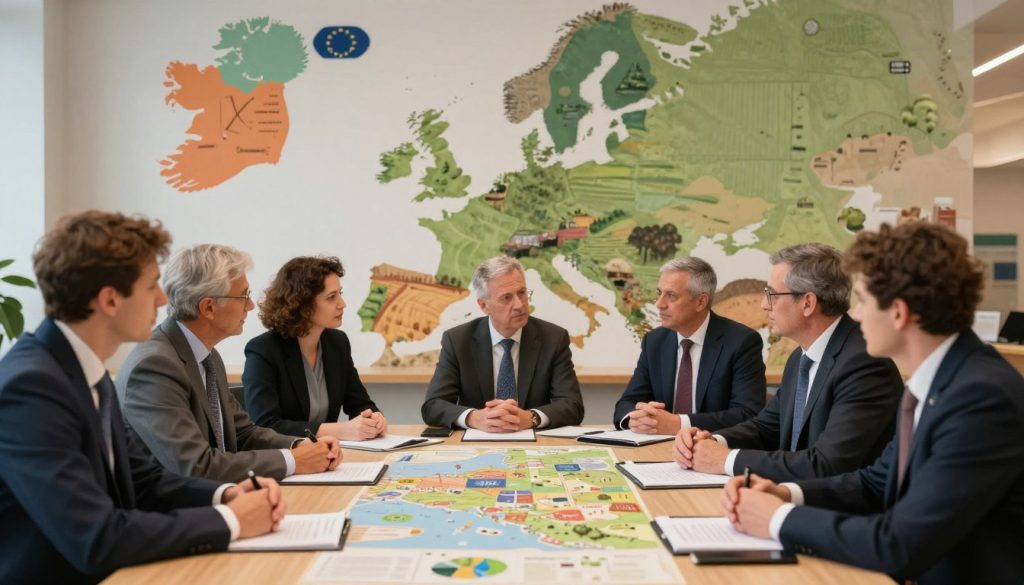
The European Union must go beyond just national plans to protect our food supply. A unified strategy is essential to help smaller countries like Ireland during supply chain disruptions. By sharing resources and data, we can build a stronger safety net together.
Effective coordination involves several important steps:
The Common Agricultural Policy (CAP) has mainly focused on market competition and efficiency. But, a volatile world calls for a shift towards stability and resilience. We need to change our frameworks to deal with a reality where global supply chains are uncertain.
Future European food policy should encourage domestic production that reduces reliance on external inputs. By focusing on regional self-sufficiency, we can protect our markets from distant conflicts. This change will need a lot of investment, but it’s vital for our food security.
Global events often show us the weaknesses in our national setup. The recent conflict has made us see that Ireland’s food self sufficiency myth is not true. It shows we really depend on international trade routes.
We need to focus on making our farms independent. Relying on far-off markets for food makes our homes vulnerable. We face sudden price hikes and shortages. It’s time to boost local farming to make our system stronger.
Supporting sustainable farming will increase our domestic food supply. By backing Irish farmers, we avoid the risks of global conflicts. This change needs effort from both our leaders and the people to last long.
We encourage you to talk about how we can help local farmers. Discussing this topic helps us understand the value of food security for our nation. Together, we can build a strong future for everyone.
We export a lot of food, like dairy and beef. But we also rely a lot on imports. Without these imports, our farming would fail. This shows our food self-sufficiency is not as strong as we think.
The Middle East is key for global trade. If there’s war, trade could stop. This would make food prices in Ireland go up fast.
The Strait of Hormuz is important for energy and goods. If it’s blocked, shipping costs rise. This means higher prices for us, making life more expensive.
Our farms need synthetic fertilisers to grow food. If these are disrupted, our farms suffer. This shows how dependent we are on imports.
Yes, we need to be careful about relying on just-in-time delivery. Food reserves would protect us during crises. It’s a smart move for our future.
Farmers are struggling to make ends meet. Costs like energy and fertiliser go up fast. Small farms are at risk, threatening our farming traditions.
Sustainable farming is key for our future. It helps us use less expensive fertilisers and be less dependent on imports. This makes our food system stronger.
The EU is working together to keep food safe. We need to change the Common Agricultural Policy to focus on stability. This will help us all in a tough world.
 CART
0
CART
0
Leave a Reply