



Have you noticed your shopping bill going up? Global issues might seem far away, but the Iran conflict is affecting us here. It’s making things more expensive.
Supply chains are getting disrupted, and it’s making things like fertiliser more expensive. This is putting a lot of pressure on farmers. It’s also making beef prices Ireland go up for all of us.
It’s hard to understand why food prices keep going up. But farmers are dealing with big challenges. Every extra cost is a threat to their way of life.
Geopolitical tensions are changing how we trade internationally. This affects economies all over the world. You might see these changes in the prices of everyday items.
The Strait of Hormuz is key for global trade, mainly for oil and petroleum. Any trouble here can greatly affect energy markets. The recent conflict has made things worse, causing higher costs and more problems for shipping.
“The Strait of Hormuz is a vital artery for global oil supplies, and any disruption can send shockwaves through the energy market.”
So, energy prices have gone up a lot. You might have noticed this in your fuel costs. It also affects the prices of many goods and services.
The conflict has made energy prices go up, which affects shipping. Ships now pay more for fuel and insurance. This means higher costs for transporting goods, which can lead to higher prices for things we buy.
| Factor | Impact |
|---|---|
| Disruption in Strait of Hormuz | Increased energy prices |
| Higher energy prices | Rise in shipping costs |
| Increased shipping costs | Higher prices for imported goods |
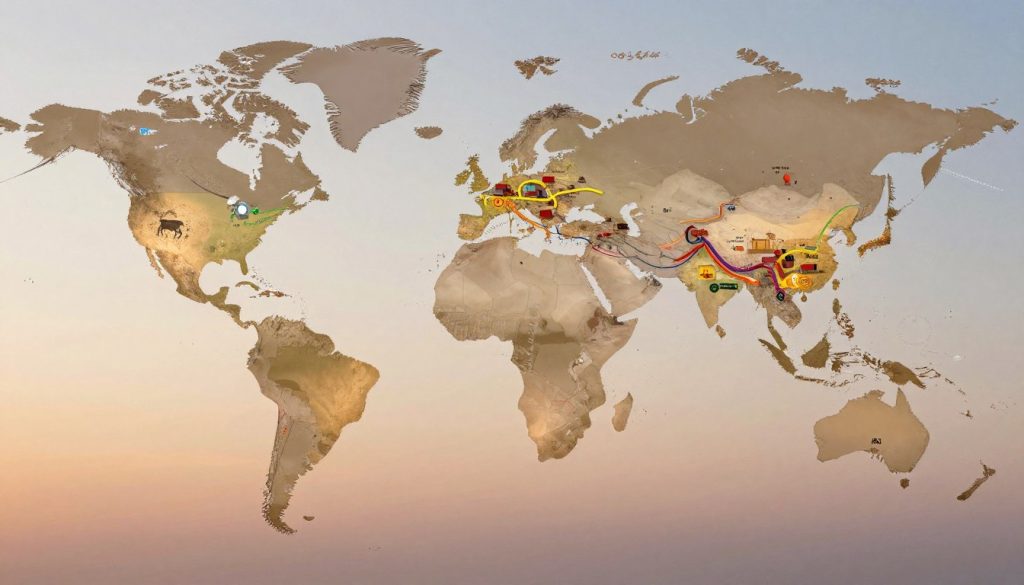
The conflict’s impact on global trade is wide-ranging. It affects many areas, including farming and food production. As we look closer, you’ll see how it affects the Irish beef market.
Tensions in the Middle East are affecting Ireland’s farms. The Iran conflict is changing global markets, impacting Ireland’s beef industry.
When conflicts rise, like in Iran, global markets shake. This shakes up prices for everything from oil to food. Ireland, a big food exporter, feels this shake a lot.
These market changes hit in many ways. For example, shipping costs go up because of safer routes. This makes it pricier to get food for animals and to ship beef.
| Commodity | Pre-Conflict Price | Post-Conflict Price |
|---|---|---|
| Beef (per ton) | €2,500 | €2,800 |
| Feed (per ton) | €200 | €250 |
| Shipping (per container) | €1,500 | €1,800 |
Ireland’s beef exports are very sensitive to world markets. The Middle East’s troubles, including Iran, can mess with trade and confidence. Livestock hauliers face big challenges every day.
Farmers, exporters, and buyers must deal with these issues. They need to stay competitive in a shaky world market. Knowing how global events affect local markets is key.
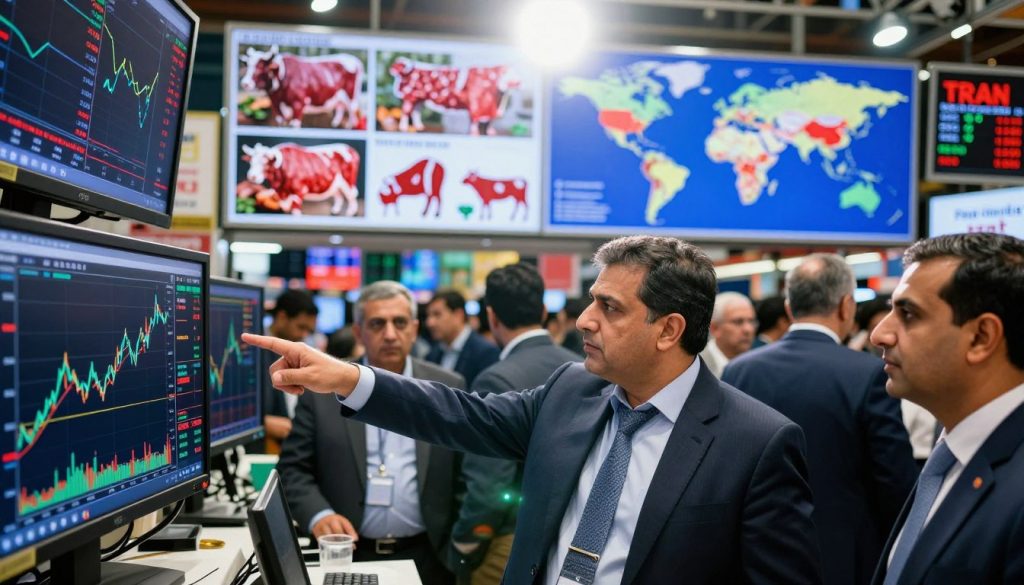
Rising fuel costs are a big worry for Irish farmers. They affect their profits and how well they can work. Fuel price changes have a big impact on things like fertiliser and getting goods to farms.
Irish beef producers face a tough time. Fuel costs add up directly and also affect other important things. One farmer said, “It’s just gone up every day, going up every day,” showing how fuel costs keep rising. He now spends an extra €100 to fill his tractor with green diesel.
Fertilisers need a lot of energy to make, using natural gas and oil. When oil prices go up, so do fertiliser costs. This means farmers pay more for fertilisers, making it harder to make a profit.
Higher fuel costs also mean more money for running farm machines. And they make fertiliser prices go up too. This double hit can really hurt Irish beef producers’ finances.
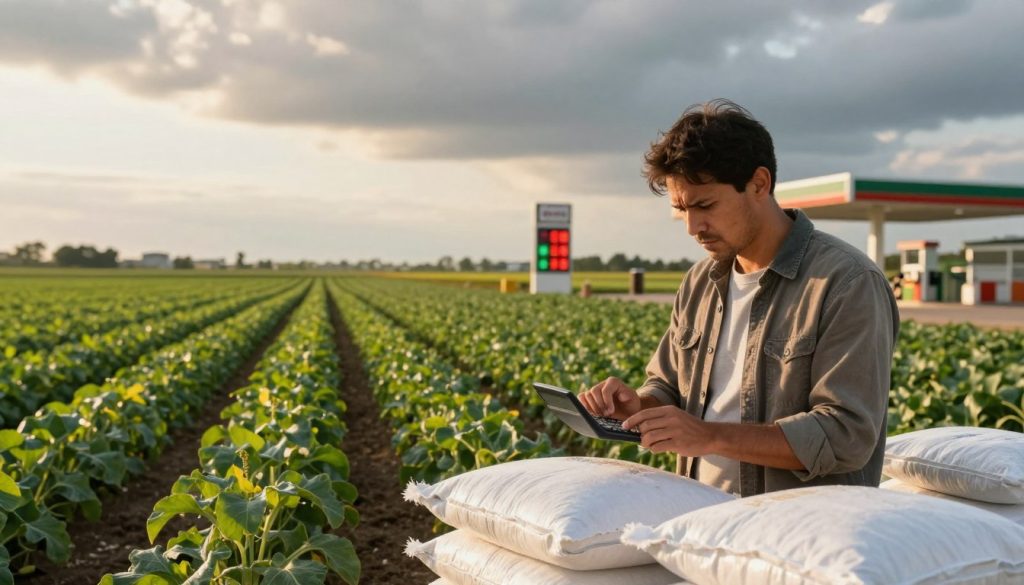
Transport costs are another big issue with rising fuel prices. Irish beef producers need to move their livestock to markets and processing places. As fuel prices go up, so do the costs of getting beef to markets.
This makes Irish beef less competitive in global markets. Price is a big deal in these markets. So, Irish beef producers might have to pay more or charge more to consumers. This could affect how much people want to buy Irish beef.
To deal with these problems, Irish farmers might look at working more efficiently or finding new ways to get their products to market. But for now, the big worry is the rising fuel costs.
The Irish meat industry is a big part of Ireland’s agricultural exports. It exports about 90% of its food, mainly beef and dairy. Keeping the supply chain stable is key for its future.
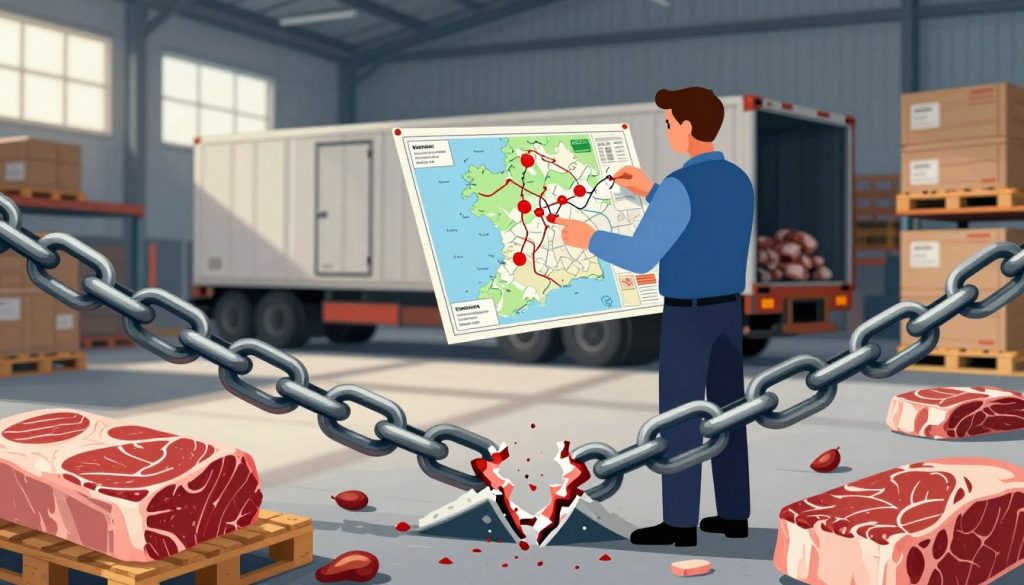
The industry depends on many suppliers, manufacturers, and distributors. Knowing these risks helps to prevent problems.
The industry relies heavily on feed imports from abroad. The cost and availability of feed can change due to global trends and events. For example, changes in grain prices can affect cattle feed costs, impacting Irish beef producers.
This reliance on imports also means the industry faces risks from currency changes and trade policies. Any feed supply issues can affect the whole chain, from farmers to consumers.
Meat processing facilities use a lot of energy. This makes the industry vulnerable to energy price changes. Rising energy costs can lead to higher production costs and prices for consumers.
The need for energy-efficient practices or new energy sources is clear. This would help reduce the impact of rising energy costs.
The Iran conflict is affecting the Irish beef market in unexpected ways. The uncertainty has changed how people feel about buying beef. Investors and consumers are worried about price increases.
Supermarkets and butcher shops are already seeing price changes. The link between global events and local prices is complex. But, it’s clear that the current situation is deeply affecting the Irish beef industry.
Supermarkets are key in the Irish beef supply chain. Their actions can greatly affect what we pay for beef. If costs go up, they might keep prices the same or raise them.
A big supermarket chain recently spoke about their challenges:
“We’re doing everything we can to keep prices stable, but global events are out of our hands. We might have to change our prices to match the market.”
Here’s how supermarkets might react to higher costs:
| Supermarket Response | Short-term Impact | Long-term Impact |
|---|---|---|
| Absorb costs | Reduced profit margins | Potential loss of market share |
| Pass on costs to consumers | Higher retail prices | Potential decrease in sales volume |
| Renegotiate with suppliers | Potential cost savings | Strained supplier relationships |
The Iran conflict’s impact will be clear at the butcher counter. Butchers may raise their prices as wholesale costs go up. Expect to see price changes, which could mean more expensive beef.
Food inflation could more than double by the summer if the Iran war continues, adding hundreds of pounds to grocery bills. This shows the need for consumers to be ready for price increases.
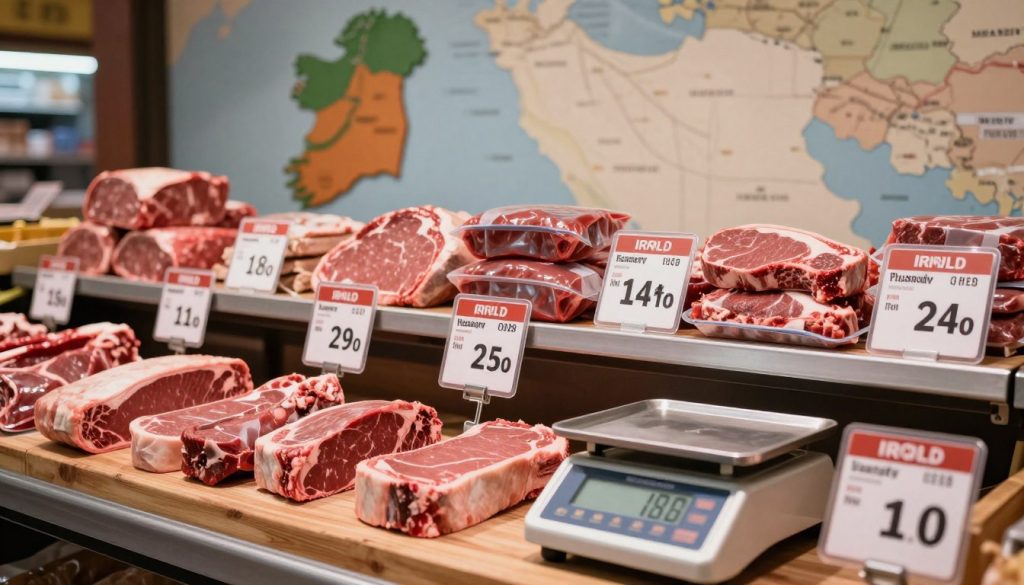
To deal with these changes, consider other protein sources, look for deals, and plan your shopping. By keeping up with market trends and adjusting your shopping, Irish consumers can lessen the impact of rising beef prices.
Rising operational costs are squeezing the margins of Irish farmers. The conflict in Iran and its impact on global trade routes have led to increased expenses for Irish agricultural producers. You are likely to see these effects in your daily life as prices for beef and other commodities rise.
Irish farmers are facing big increases in operational costs. This is mainly due to rising fuel prices and the cost of fertilisers. As one farmer noted, “We’re seeing massive increases and prices have gone up, maybe €100, €120 a tonne in the last couple of weeks.” This rise in costs is putting pressure on their profit margins.
The increase in fuel prices is directly affecting transportation costs. It makes it more expensive to move goods from farms to processing facilities and eventually to consumers. Also, the cost of fertilisers has surged due to the correlation between oil prices and fertiliser production costs.
“The volatility in the global market is making it challenging for us to predict and manage our costs effectively,” said an Irish farmer.
In response to these challenges, the Irish government is exploring various support measures for farmers. They are looking at subsidies for fuel and fertilisers, as well as initiatives to improve the efficiency of farming operations.
You can expect the government to implement policies aimed at mitigating the impact of rising operational costs on Irish farmers. Some of these measures may include:
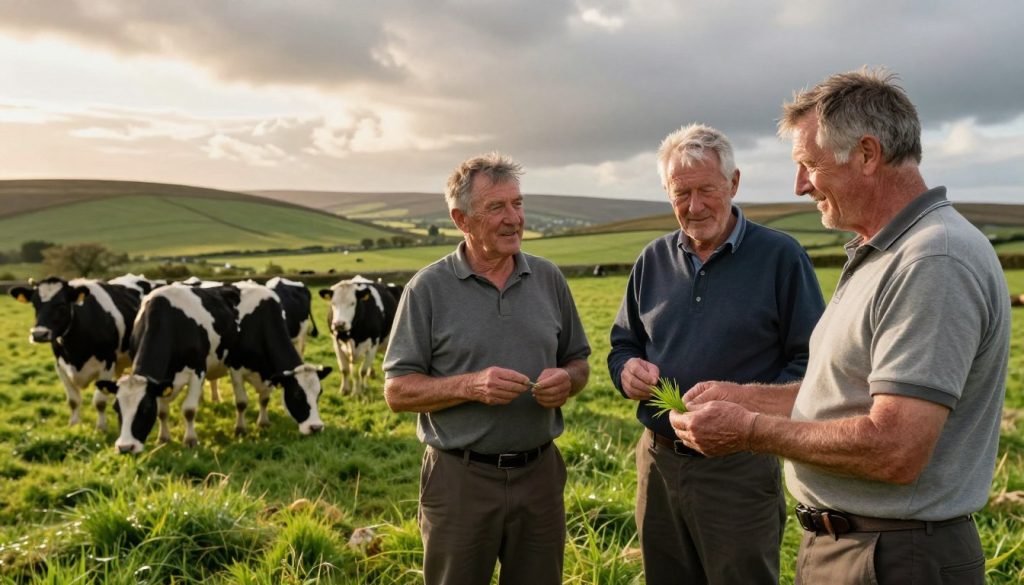
By understanding the challenges faced by Irish farmers and the support measures being considered, you can better navigate the changing landscape of beef prices and agricultural production in Ireland.
The conflict in Iran is changing global trade, and Ireland’s beef industry is looking to new markets. This might affect you as a consumer or producer. Ireland’s beef sector is ready to adapt to these changes.
The Middle East’s instability has changed global trade patterns. Irish beef exporters are now looking at new strategies. You are part of a growing global market for high-quality beef.
The Iran conflict has disrupted trade and raised energy prices. This affects the cost of transporting beef. Irish beef producers face higher costs, making it hard to keep prices low in traditional markets.
New markets are becoming key for Irish beef exporters. Countries in Asia and other places want Irish beef. This is because of growing wealth and a taste for premium meat.
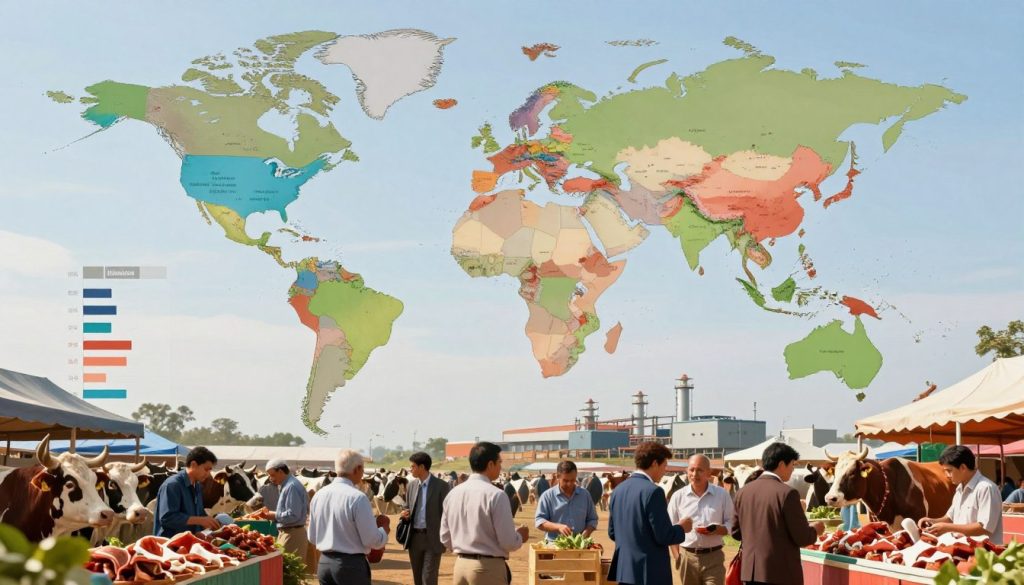
Diversification is vital for Ireland’s beef industry. By exploring new markets, producers can avoid risks from unstable regions. Irish beef will be sold in more places, thanks to its high quality.
Ireland’s farming is known for quality and productivity. The country’s climate and farming methods suit a wide range of crops and livestock. This makes Irish beef a popular choice worldwide.
The move to diversify also fits with Ireland’s farming policy. It aims to support sustainable farming and make the sector more resilient. Ireland’s beef industry is set to grow, thanks to its flexibility and focus on quality.
Global events are affecting local markets, making the economic outlook for the Irish food sector critical. Consumers and producers are both concerned. The Irish food industry is facing a complex landscape, as economic forecasts show.
Food inflation is at 3.6 per cent annually, higher than most pay rises. This is putting extra pressure on household budgets. You might be feeling the cost of living increase.
To see how inflation affects different incomes, let’s look at food spending. The table below shows how various income groups are impacted.
| Income Group | Average Monthly Food Spend | Percentage of Income |
|---|---|---|
| Low Income | €500 | 25% |
| Middle Income | €800 | 18% |
| High Income | €1,200 | 12% |
Beef affordability’s future is shaped by global demand, supply chain resilience, and trade agreements. Efforts to diversify exports and improve supply chains are key. They will help keep beef affordable.
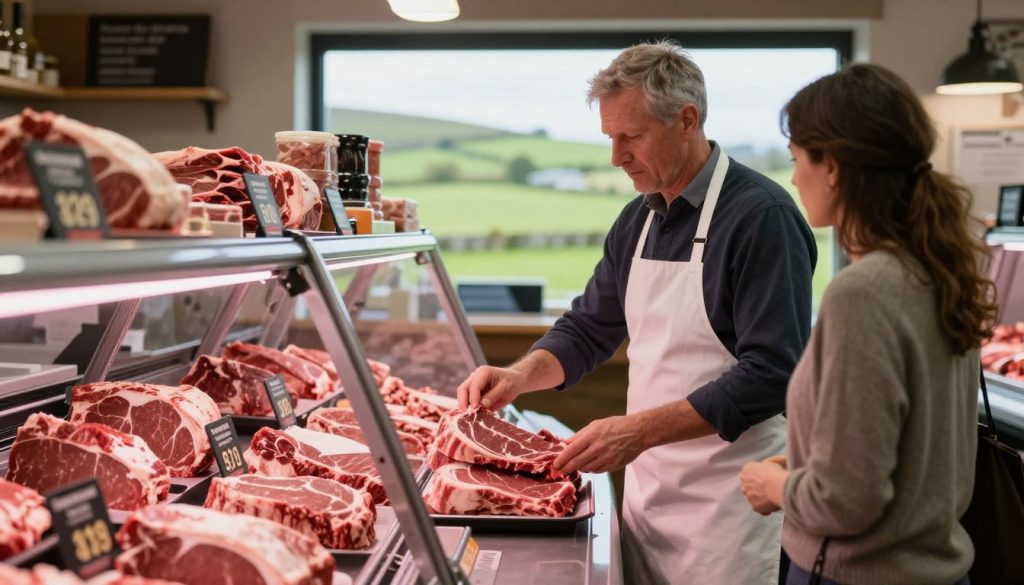
Understanding economic forecasts is vital for the Irish food sector. Knowing about inflation and its effects on budgets helps with planning. This way, you can manage your food spending better.
Food prices in Ireland are going up, and people are looking for ways to manage their spending. Vegetarian mince, for example, has doubled in price over two years. This has led many to seek out effective ways to cut their grocery bills.
To deal with these price hikes, adopting smart shopping habits is key. Knowing what affects food prices helps you make choices that save money. This way, you can keep your household budget in check.
Smart shopping can help you save money on food. Here are some tips:
By being more mindful of your shopping habits, you can cut your grocery bills significantly.
In a market that’s always changing, knowing the value and quality of what you buy is key. Not all price hikes are the same. Some products might offer better value, even if they cost more.
When comparing prices, think about the nutritional value and quantity of the product. Sometimes, spending a bit more on a higher-quality item can save you money in the long run.
| Product | Price Change | Nutritional Value |
|---|---|---|
| Vegetarian Mince | +120% | High protein, low fat |
| Beef Mince | +50% | High protein, variable fat content |
| Chicken Breast | +20% | High protein, low fat |
As shown in the table, while vegetarian mince has seen a significant price increase, its nutritional value remains high, making it a valuable choice for some consumers.
By understanding what affects food prices and using smart shopping strategies, you can handle the challenges of rising costs. Stay informed and adjust your shopping habits to make the most of your budget.

War in the Middle East keeps Irish farmers and the agri-retail sector on edge. The Iran conflict has disrupted global trade and energy prices. This has led to higher beef prices in Ireland, threatening food security.
Beef prices in your weekly shop might stay high as the situation in Iran continues. Irish farmers and producers face tough times with rising costs. They need to diversify and get government support to survive.
The Irish food industry will face big challenges as it deals with the Iran conflict’s impact. As a shopper, keeping up with market trends and adjusting your shopping can help. This way, you can manage the price changes better.
The conflict in Iran affects global trade, like the Strait of Hormuz. This causes Brent Crude oil prices to go up. As a result, fuel and energy costs increase, making beef more expensive for Irish farmers and processors.
Energy prices and agricultural inputs are linked. Nitrogen-based fertilisers need natural gas to make. When energy costs rise, so do the costs of these fertilisers. This forces farmers to spend more on their land and livestock.
Yes. Irish beef exports to Asia or Africa need stable sea routes. If ships avoid high-risk areas near Iran, costs and times increase. This makes meat more expensive for you to buy.
Retailers might not raise prices right away due to long-term contracts. But, if costs stay high, they’ll have to increase prices. This means you might pay more for steak and mince at your next shop.
Ireland’s beef is known for being grass-fed, but some farmers use extra feed. The Iran conflict can make these imports pricier. This adds to the financial stress on the Irish beef supply chain.
The IFA fights for support packages and fuel subsidies from the Department of Agriculture. They aim to keep the costs of rising energy and fertiliser from hurting farmers. This is to protect the Irish agricultural sector.
Rising costs can affect your budget. If energy prices stay high, beef might become more expensive. You could look for value cuts or buy in bulk when prices drop.
Yes, diversifying is a good strategy for the Irish food sector. By finding new markets, Bord Bia can protect the industry from regional shocks. This helps keep the Irish beef market stable, even when global politics are uncertain.
Meat processing plants use a lot of electricity and gas. When energy prices rise, these costs increase. These higher costs are then passed on to you, affecting the price at the butcher or supermarket.
 CART
0
CART
0
Leave a Reply